
What does OSHA require for farm worker restrooms?
Field sanitation for agricultural hand-labor employees falls under OSHA 1928.110, which sets the baseline most Fairfield growers work from. The rule calls for one toilet facility and one handwashing station per 20 employees, and it has to sit within a quarter mile of wherever the crew is actually working, not just parked at the barn. That distance matters more than people think during harvest, when pickers spread across a large block and a single unit at the entrance does nobody any good. Fairfield Porta Pros places standard porta potty rental units at multiple points along the rows so the walk stays inside the limit. Potable water is part of the same requirement, covered separately under OSHA 1926.51(a)(1), and a lot of farm operations already have a water trailer or tank on site, so we just need a spot to stage the units nearby. If you are trying to work out numbers before crew size is even settled, the how many porta potties do I need guide walks through the math, and general construction-industry ratios under OSHA 1926.51(c) are a useful comparison even though ag crews run under the 1928.110 standard instead.
Where do units go on a working farm or ranch?
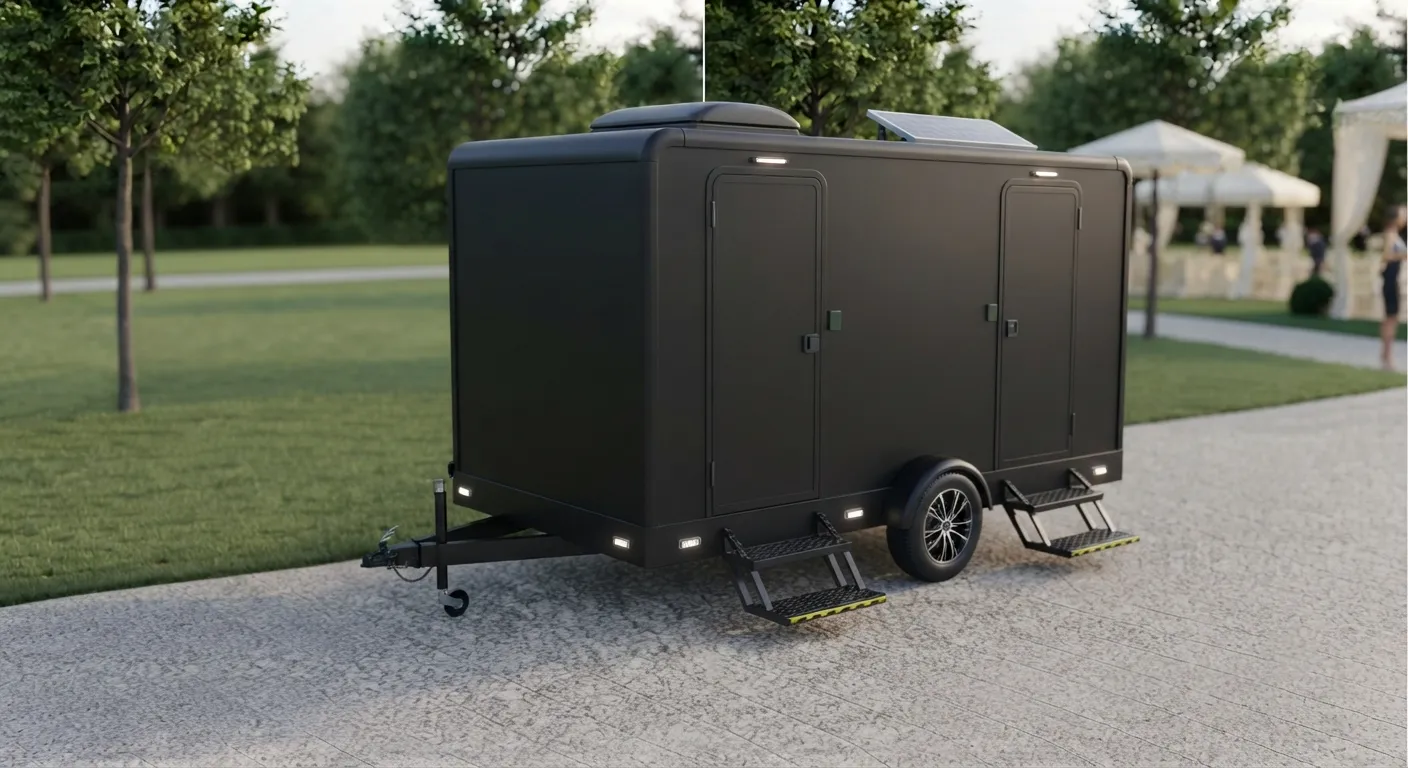
Placement depends on where the actual labor happens, not where the truck finds it easiest to park. A gravel pad near the equipment yard works for row crop operations with a fixed picking pattern, but vineyard crews that move block to block need units that get repositioned every few days. We ask about ground conditions before delivery, because a loaded standard unit sits at about 44 by 48 inches on its footprint and needs stable, level ground the same way a construction-site unit would, per ADA Standards 302.1 for accessible units and just good sense for the rest. Fairfield sits about 2.1 miles northwest of Suisun City, and a lot of our ag accounts span both sides of that line, so we route deliveries as one job rather than two separate stops. For operations with H-2A crews or larger seasonal headcounts, an ADA accessible porta potty is worth having on site even where not strictly required, since ADA Standards 213.2 sets a five percent minimum whenever units are clustered. Ranches running cattle or dairy operations sometimes need something sturdier for wash-down areas, and that is where a portable sink rental or full handwashing station rental earns its keep beyond the minimum legal requirement.
Do I need handwashing stations separate from the toilet?
Yes, if the toilet unit does not already include a handwashing attachment, which most basic standard units do not. OSHA 1928.110 treats the handwashing facility as its own requirement alongside the toilet, and 29 CFR 1910.141(d)(2) is explicit that soap and a towel or hand-drying device are required, not optional. Hand sanitizer alone does not satisfy that standard, a detail we mention because it is the single most common shortcut we see growers try during a busy harvest push. A standalone hand sanitizer station rental is fine as a supplement at a break area, but it cannot replace the actual washing setup at the field station. For crews handling harvested produce directly, a lot of buyers and co-ops ask for washing documentation anyway, so it is worth having it right from the start rather than scrambling before an audit. If your operation also runs a packing shed with any wash-down chemical use, note that OSHA 1926.51(f)(1) covers washing after paint, coatings, herbicides or insecticides specifically, and that is a different, stricter trigger than the general field sanitation rule.
Pricing for farm and ag restroom rentals
| unit | duration | typical price |
|---|---|---|
| standard | day | $150 |
| standard | week | $200 |
| standard | month | $200 |
| deluxe | week | $250 |
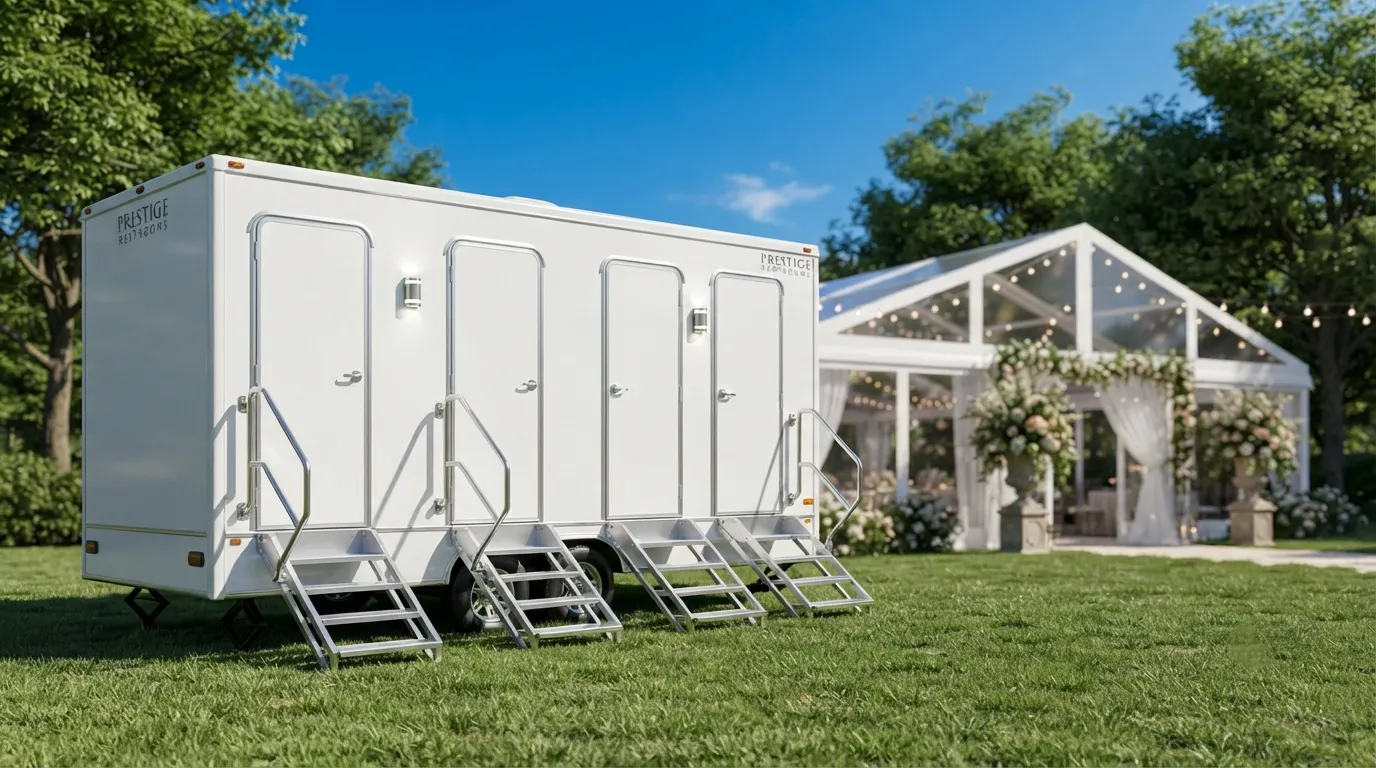
Seasonal accounts running through a full harvest usually land on the weekly or monthly rate rather than renting by the day, since standard month pricing runs close to the weekly rate anyway. Our monthly porta potty rental option is the one most vineyard and orchard clients in Fairfield land on once they know their season length. For shorter jobs like a weekend pumpkin patch or seasonal stand, check porta potty rental per day instead.
Frequently asked questions
How many restrooms does a 20-person crew need?
Under OSHA 1928.110, a 20-person hand-labor crew needs one toilet facility and one handwashing station, placed within a quarter mile of the work area. Larger crews scale up from there. Our how many porta potties do I need guide covers the math for bigger operations.
Can units move with the crew during harvest?
Yes. We reposition standard units as picking moves block to block, which is common on vineyard and orchard accounts around Fairfield. Ground access matters more than distance, so let us know if equipment traffic will block a route.
What if there's no running water on site?
That is normal for most farm sites. A portable sink rental or handwashing station gets paired with the toilet unit, satisfying 29 CFR 1910.141(d)(2) without needing a permanent water line.
Do seasonal contracts cost less than monthly rentals?
Seasonal and monthly rentals both land near the same $200 typical rate for a standard unit, well below stacking daily rates across a multi-week harvest. Ask about septic pumping service too if you are running a bunkhouse or crew quarters.
Is a grease trap needed for a farm kitchen or processing shed?
If the shed handles food prep with fats and oils going down the drain, yes. A grease interceptor needs pumping once solids and grease reach 25 percent of liquid depth; see grease trap pumping for details.
Next step
Get a delivery date
Tell us the address, the dates and the headcount. We size the order and confirm the route.